The Enduring Power of Robert Duvall's Iconic "Napalm" Monologue in Apocalypse Now
Few lines of dialogue have etched themselves into cinematic history with the chilling profundity of "I love the smell of napalm in the morning." Uttered by Robert Duvall's unforgettable Lieutenant Colonel Bill Kilgore in Francis Ford Coppola's 1979 Vietnam War epic,
Apocalypse Now, this quote transcends its filmic origins to become a powerful cultural touchstone. More than just a memorable piece of dialogue, it embodies a complex blend of battlefield arrogance, dark irony, and a haunting glorification of chaos that continues to resonate with audiences today, decades after its release. This article explores why this particular statement, and other powerful
Robert Duvall Apocalypse Now quotes, remain so potent.
Lieutenant Colonel Kilgore: A Portrait of War's Absurdity
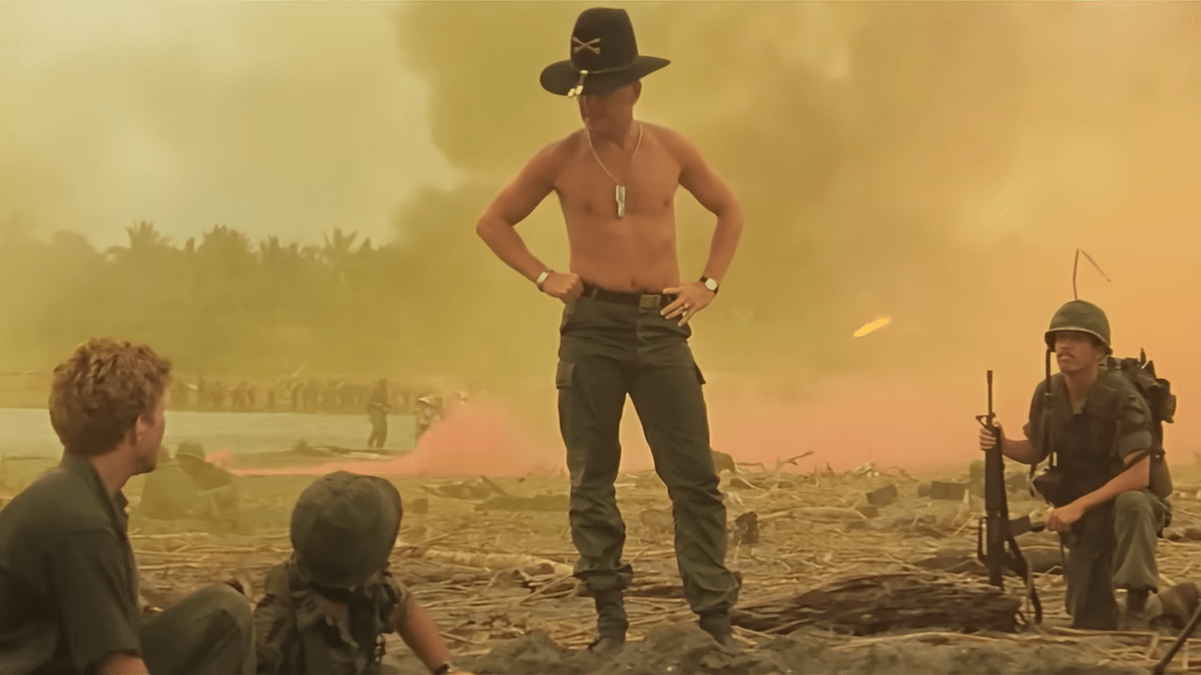
Robert Duvall's portrayal of Kilgore is nothing short of masterful, crafting a character who is both terrifyingly unhinged and strangely captivating. Kilgore is introduced as a daring, eccentric cavalry officer whose priorities in the chaos of war seem bizarrely skewed. His obsession with surfing, even amidst active combat zones, serves as an early indicator of his detachment from conventional military logic.
The iconic "napalm" monologue unfolds after a devastating helicopter ambush on a Vietnamese village, orchestrated by Kilgore himself. As the smoke clears and the scent of destruction hangs heavy in the air, Kilgore delivers his chilling reflection:
"Napalm, son. Nothing else in the world smells like that. I love the smell of napalm in the morning. You know, one time we had a hill bombed for twelve hours. When it was all over, I walked up. We didn’t find one of ‘em, not one stinking drink body. The smell, you know, the gasoline smell, the whole hill. Smelled like… victory."
This sequence is a visceral assault on the senses and the intellect. Kilgore doesn't just tolerate the destruction; he savors it. He equates the pungent smell of burning gasoline and human flesh with "victory," a stark and horrifying redefinition of success in the brutal landscape of war. The casual tone of his delivery, almost nostalgic, makes the words even more disturbing. He then follows it up with a quiet, almost melancholic, observation: "Some day this war’s gonna end." This unexpected moment of introspection momentarily humanizes him, hinting at the deep psychological toll even the most hardened soldier might endure, making his earlier bravado even more darkly ironic.
Beyond the Battlefield: The Line's Cultural Resonance
The enduring power of Kilgore's napalm line stems from its ability to symbolize far more than a single moment in a film. It has evolved into a meta-commentary on a range of human behaviors and societal phenomena:
*
Glorifying Chaos: The line perfectly encapsulates the concept of finding perverse beauty or meaning in destruction. It speaks to a dark facet of human nature that can become desensitized to horror.
*
Dark Irony: Kilgore's declaration of love for the smell of napalm, juxtaposed with the reality of its horrific effects, creates a profound sense of irony. It highlights the absurdities and moral inversions that can occur during wartime.
*
Battlefield Arrogance: The quote embodies the unchecked power and hubris often associated with military might, particularly when divorced from accountability or empathy. Kilgore's belief in his own invincibility and the unquestionable righteousness of his actions is palpable.
*
Symbol of Obsession: In popular culture, the line is often invoked with sarcasm to denote an obsessive attachment to something destructive or self-indulgent, whether it's a problematic habit, an extreme ideology, or a toxic pursuit. Its widespread use in memes, viral trends, and television shows demonstrates its versatility as a cultural shorthand.
The genius of Robert Duvall's performance is that he doesn't just deliver the lines; he embodies the character's warped worldview, making Kilgore a truly unforgettable figure. His chilling conviction lends authenticity to the madness, ensuring that the dialogue isn't easily dismissed as mere movie theatrics. For a deeper dive into this line's cultural footprint, read
The Unforgettable Impact of Apocalypse Now's Napalm Quote.
More Iconic Robert Duvall Apocalypse Now Quotes and Their Impact
While the napalm monologue stands supreme, Kilgore gifted us with several other memorable lines that contribute to his legendary status and the film's overall critique of war. Examining these further illuminates the complex character Duvall brought to life and broadens our understanding of
Robert Duvall Apocalypse Now quotes.
*
"If I say its safe to surf, Captain, then it's safe to surf!"
This quote perfectly encapsulates Kilgore's audacious control and his bizarre priorities. He is willing to risk lives and resources to satisfy his passion for surfing, demonstrating a profound disconnect from the grim realities of war for those under his command. It showcases his absolute authority and, again, the strange absurdities that permeated the conflict.
*
"Some day this war’s gonna end."
As mentioned, this line immediately follows the napalm monologue. It’s a moment of unexpected, quiet introspection. Coming from a character so consumed by the violence, it offers a fleeting glimpse into a potential weariness, or perhaps a realization of the ultimate futility of it all. It makes Kilgore less a caricature and more a twisted product of his environment.
Beyond Kilgore,
Apocalypse Now is rich with other powerful quotes that define its narrative and themes:
*
Captain Willard (Martin Sheen): "Saigon… sh-t. I’m still only in Saigon."
This opening line from Willard immediately establishes his profound disillusionment and sense of being trapped. It speaks to the psychological torment and the cyclical nature of his experience, even before his mission truly begins.
*
Civilian Intelligence Official: "Terminate with extreme prejudice."
This chilling euphemism for assassination highlights the bureaucratic detachment from murder. It strips human life of its value, reducing it to a task completed with cold, clinical efficiency, reflecting the dark heart of the mission itself.
*
Captain Willard: "Charging a man with murder in this place was like handing out speeding tickets in the Indy 500."
Willard's observation brilliantly articulates the moral ambiguity and breakdown of conventional law and order in the war zone. In a landscape where extreme violence is commonplace, the very concept of murder loses its meaning, blurring the lines between right and wrong.
These quotes, alongside Kilgore's most famous, paint a comprehensive picture of the film's exploration of moral decay, psychological trauma, and the sheer madness of war. For an in-depth look at the satirical elements, check out
Unpacking the Dark Irony of Kilgore's Napalm Monologue.
The Enduring Legacy of Duvall's Performance
Robert Duvall's performance as Kilgore is widely considered one of the greatest supporting roles in cinema history. While he earned an Oscar for *Tender Mercies*, it's his role in *Apocalypse Now* that often comes to mind first for many film enthusiasts. What makes his portrayal so iconic?
*
Unwavering Conviction: Duvall imbues Kilgore with an unsettling conviction. He truly believes in his actions and his worldview, no matter how distorted. This commitment to the character makes Kilgore terrifyingly real.
*
Charismatic Menace: Despite his monstrous qualities, Kilgore possesses a strange charisma. He's a larger-than-life figure who commands attention, making his descent into madness all the more compelling and unsettling.
*
Physicality and Presence: Duvall's confident stride, his distinct vocal delivery, and his piercing gaze create a powerful screen presence that dominates every scene he's in. He doesn't just play a character; he *becomes* a force of nature.
This performance elevated the dialogue from mere words on a page to a profound statement about the human condition under extreme duress. It is a testament to Duvall's acting prowess that Kilgore remains one of the most recognizable and disturbing archetypes in film.
Practical Insights & Film Facts
*
Impact on War Cinema: Apocalypse Now, and particularly Kilgore's character, profoundly influenced how war films portrayed the psychological toll and moral complexities of conflict. It moved away from purely heroic narratives to confront the darker aspects of human nature in combat.
*
Realism and Exaggeration: Francis Ford Coppola aimed for a heightened sense of realism in the film's atmosphere and characters, even when they bordered on the surreal. Kilgore, while exaggerated, was conceived to represent a certain type of military leader who found purpose, however warped, in the chaos of war.
*
Filming Challenges: The production of *Apocalypse Now* was famously arduous and fraught with difficulties, from typhoons to lead actor health crises. This tumultuous environment arguably contributed to the film's raw, intense, and often chaotic aesthetic, which perfectly complemented characters like Kilgore.
Robert Duvall's performance as Kilgore continues to serve as a stark reminder of war's potential to warp perception and morality. The "napalm" line, in particular, encapsulates the madness, the irony, and the terrifying allure of destruction that the film so brilliantly explores.
Conclusion
Robert Duvall's "I love the smell of napalm in the morning" is more than just a famous movie quote; it's a cultural phenomenon that has outlived its cinematic origins to become a potent symbol. Through Duvall's masterful portrayal of Lieutenant Colonel Bill Kilgore, this single line, alongside other memorable
Robert Duvall Apocalypse Now quotes, distills the dark irony, the glorification of chaos, and the moral ambiguities of war into an unforgettable statement. It continues to be referenced, analyzed, and debated, serving as a chilling reminder of humanity's capacity for both profound horror and unsettling resilience, ensuring its resonance for generations to come as long as the echoes of conflict linger.