The Unforgettable Impact of Apocalypse Now's Napalm Quote
Francis Ford Coppola's 1979 cinematic masterpiece, *Apocalypse Now*, remains an enduring testament to the horrors and psychological toll of war. While the film is replete with unforgettable imagery and haunting narratives, one particular line, delivered with chilling conviction by Robert Duvall, has etched itself into the annals of film history and pop culture: "I love the smell of napalm in the morning." This iconic declaration, spoken by Lieutenant Colonel Bill Kilgore, transcends its origins to become a symbol of dark irony, battlefield arrogance, and a disturbing glorification of chaos. Decades after its release, this fragment of dialogue continues to resonate, shaping memes, influencing cultural commentary, and solidifying Robert Duvall’s place among the most compelling actors of his generation. The impact of these specific
Robert Duvall Apocalypse Now Quotes extends far beyond mere cinematic recognition, evolving into a touchstone for understanding the complex psyche of conflict.
The Genesis of an Immortal Line: Kilgore's Monologue
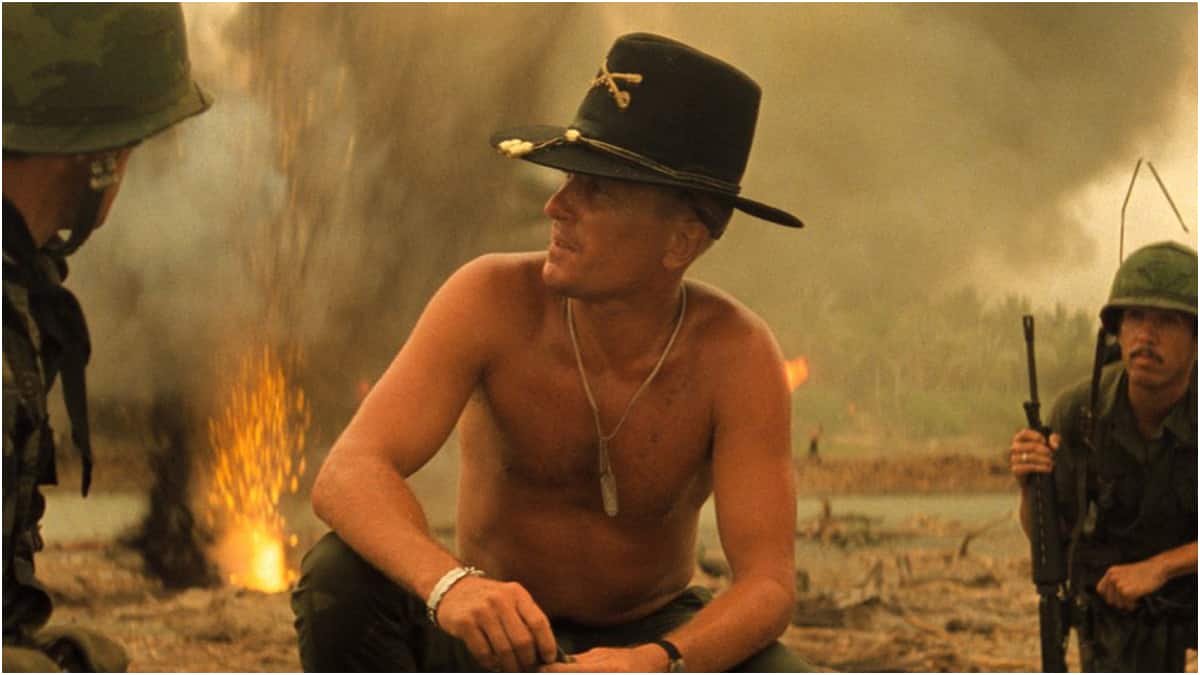
The context in which Robert Duvall utters his most famous line is as vital as the performance itself. Lieutenant Colonel Bill Kilgore, a daring and eccentric cavalry officer, embodies the surreal and often absurd nature of the Vietnam War. His character is introduced amidst a chaotic helicopter ambush on a Vietnamese village, an operation he orchestrates with a chilling detachment and a bizarre obsession with surfing. It's in the aftermath of this fiery assault, as the lingering stench of destruction hangs in the air, that Kilgore delivers his infamous monologue.
He surveys the smoldering landscape, a picture of calm amidst the devastation, and reflects: "Napalm, son. Nothing else in the world smells like that. I love the smell of napalm in the morning. You know, one time we had a hill bombed for twelve hours. When it was all over, I walked up. We didn’t find one of ‘em, not one stinking dink body. The smell, you know, that gasoline smell, the whole hill. Smelled like… victory."
This monologue encapsulates the essence of Kilgore: a man desensitized to the brutality, finding a perverse sense of accomplishment and even beauty in the destruction. His words paint a vivid picture of a mind warped by prolonged exposure to warfare, where the scent of burning chemicals becomes synonymous with success. The contrast between his serene reflection and the horrific reality of the scene creates an unforgettable moment of cinematic brilliance, a core reason why these particular Robert Duvall *Apocalypse Now* quotes stand out.
Beyond the Battlefield: Why "Napalm" Resonates Through Decades
The line “I love the smell of napalm in the morning” has long transcended its narrative confines within *Apocalypse Now*. It has taken on a life of its own, becoming a cultural shorthand for several complex ideas:
* **Glorifying Chaos and Destruction:** At its core, the quote reflects a disturbingly casual acceptance, even celebration, of destruction. It speaks to a human capacity to find order or meaning in utter chaos, however twisted that meaning might be.
* **Dark Irony and Arrogance:** Kilgore’s calm delivery, juxtaposed with the horrific subject matter, drips with dark irony. It highlights the arrogance of power and the detached perspective of those who wield it, often from a safe distance. The phrase is frequently used today with a satirical edge to critique self-indulgence or obsessive pursuits.
* **A Symbol of War's Psychological Scars:** While Kilgore presents it as a sign of victory, his monologue also subtly hints at the psychological cost of war. The line "Some day this war's gonna end" that follows offers a momentary, quiet introspection into the futility and eventual cessation of the very thing he seemingly embraces. This underlying melancholy is often overlooked but crucial for
unpacking the dark irony of Kilgore's napalm monologue.
* **Pop Culture Ubiquity:** From memes and viral trends to television shows and political commentary, the quote is referenced countless times. Its versatility allows it to be repurposed to highlight absurdity, obsession, or the darker side of human endeavors, always with a knowing nod to its cinematic origin.
Robert Duvall’s performance is undeniably central to this enduring resonance. His portrayal of Kilgore – charismatic yet terrifying, jovial yet unhinged – elevates the dialogue from mere words to an iconic cultural artifact. It’s a masterclass in acting that ensures the scene, and indeed many Robert Duvall *Apocalypse Now* quotes, remains etched into the collective memory of cinema lovers as long as the shadows of conflict loom.
Deconstructing Kilgore: The Psychology Behind the "Victory"
To fully appreciate the impact of Kilgore's napalm quote, one must delve into the complex psychology of the character himself. Is Kilgore merely a madman, or is there a method to his madness, a coping mechanism for the relentless brutality surrounding him?
Kilgore represents a specific archetype of the military leader in wartime: one who has embraced the chaos so completely that it has become his reality, his normal. His pronouncements, like his desire to surf amidst mortar fire, suggest a profound disconnect from conventional reality. For him, the "gasoline smell" isn't just a byproduct of chemical warfare; it’s the olfactory signature of success, the essence of eliminating the enemy, thus "victory." This isn't just bravado; it’s a deeply ingrained belief system born from prolonged exposure to an environment where conventional morality has little currency.
The subtle shift in tone when he adds, "Some day this war's gonna end," offers a crucial glimpse into a latent humanity or perhaps a weary resignation beneath the veneer of invincibility. It suggests that even Kilgore, despite his outward embrace of destruction, recognizes the finite nature and ultimately, the futility of the conflict. This moment of quiet introspection makes his character even more terrifying, as it implies a capacity for understanding the cost of war, even as he contributes to it with such zeal. It's this nuanced portrayal that makes Robert Duvall's contribution to *Apocalypse Now* so monumental.
Other Unforgettable Robert Duvall Apocalypse Now Quotes and Beyond
While the napalm line is undoubtedly Kilgore's most famous, Robert Duvall delivered other equally memorable lines that further flesh out his indelible character and underscore the film's thematic depth. These
Robert Duvall Apocalypse Now Quotes add layers to his persona:
* **On Surfing in a War Zone:** "If I say its safe to surf, Captain, then it's safe to surf!" This line perfectly illustrates Kilgore's irrational fearlessness and his imposing authority, overriding logic with sheer will.
* **On the Nature of War:** The aforementioned "Some day this war's gonna end" is a stark and melancholic counterpoint to his earlier bombast, reminding viewers of the temporary nature of even the most horrific conflicts.
Beyond Kilgore, *Apocalypse Now* is a goldmine of iconic dialogue that paints a vivid picture of its harrowing world. Captain Willard, the film's protagonist, offers many insightful and cynical observations:
* "Saigon… sh-t. I’m still only in Saigon." – Capturing the inescapable mental prison of war even when physically removed from the front lines.
* "Oh man… the bullsh-t piled up so fast in Vietnam, you needed wings to stay above it." – A cutting commentary on the layers of deception and absurdity.
* "Charging a man with murder in this place was like handing out speeding tickets in the Indy 500." – Highlighting the moral relativism and breakdown of law in wartime.
* The chilling directive, "Terminate with extreme prejudice," spoken by a civilian intelligence official, has also seeped into the popular lexicon, symbolizing ruthless efficiency and cold calculation.
These lines collectively demonstrate the film's profound influence on cinema and culture. However, it is Robert Duvall’s unforgettable portrayal of Kilgore, particularly his "napalm" monologue, that remains the pulsating heart of the film's quotable legacy, a true testament to his acting prowess.
The Enduring Legacy of a Performance
The power of "I love the smell of napalm in the morning" lies not just in its words, but in Robert Duvall's utterly convincing performance. His ability to convey a man both terrifyingly unhinged and strangely charismatic is what elevates Kilgore from a mere character to an archetype. Duvall’s calm, almost serene delivery amidst utter chaos makes the line chillingly effective, burrowing into the subconscious of audiences worldwide. It’s a performance that earned him an Academy Award nomination and cemented his status as one of Hollywood's most versatile and impactful actors. The way he embodied Kilgore ensures that these Robert Duvall *Apocalypse Now* quotes will continue to be analyzed, referenced, and felt for generations to come, standing as a stark reminder of the film’s profound and disturbing genius.
In conclusion, "I love the smell of napalm in the morning" is far more than just a famous movie line. It is a cultural phenomenon, a piercing insight into the psychological landscape of war, and a testament to the transformative power of exceptional acting. Through Robert Duvall’s masterful portrayal of Colonel Kilgore, the quote became a symbol of glorifying chaos, dark irony, and battlefield arrogance, while simultaneously offering a subtle glimpse into the weariness that even such a figure might harbor. Its journey from a Vietnam War epic to a ubiquitous pop culture reference underscores its timeless relevance and the unforgettable impact of *Apocalypse Now* and its enduring roster of iconic lines.