The Chilling Allure of Kilgore's Napalm Monologue: A Deep Dive into Robert Duvall's Iconic Performance
Few lines in cinematic history have etched themselves into the collective consciousness quite like Lieutenant Colonel Bill Kilgore's declaration: "I love the smell of napalm in the morning." Delivered with chilling nonchalance by the inimitable Robert Duvall in Francis Ford Coppola's 1979 masterpiece, Apocalypse Now, this monologue has transcended its original context to become a powerful symbol of war's grim realities, dark irony, and the unsettling psychology of conflict. It stands as one of the most referenced and iconic Robert Duvall Apocalypse Now quotes, embodying the film's exploration of madness and morality.
Decades after its release, this dialogue continues to resonate, sparking discussions about glorifying chaos and the sheer arrogance of the battlefield. It's a testament not only to Coppola's visionary direction but, crucially, to Duvall's Oscar-nominated performance that brought Kilgore to terrifying life. His portrayal of the eccentric, surf-obsessed cavalry officer is a cornerstone of the film, defining the surreal and brutal landscape of the Vietnam War. But what precisely makes this particular monologue so enduringly powerful, and how does it stack up against other memorable Robert Duvall Apocalypse Now quotes?
Unpacking the Madness: Robert Duvall's Unforgettable Kilgore
Robert Duvall's portrayal of Lieutenant Colonel Bill Kilgore is nothing short of legendary. Kilgore is a character who embodies the sheer absurdity and terrifying detachment that war can inflict. From his bravado about surfing amidst explosions to his bizarre classical music choices played during helicopter attacks, Kilgore is a walking contradiction – charming yet utterly ruthless, seemingly sane yet deeply disturbed. It's within this complex character that the napalm monologue finds its unsettling power.
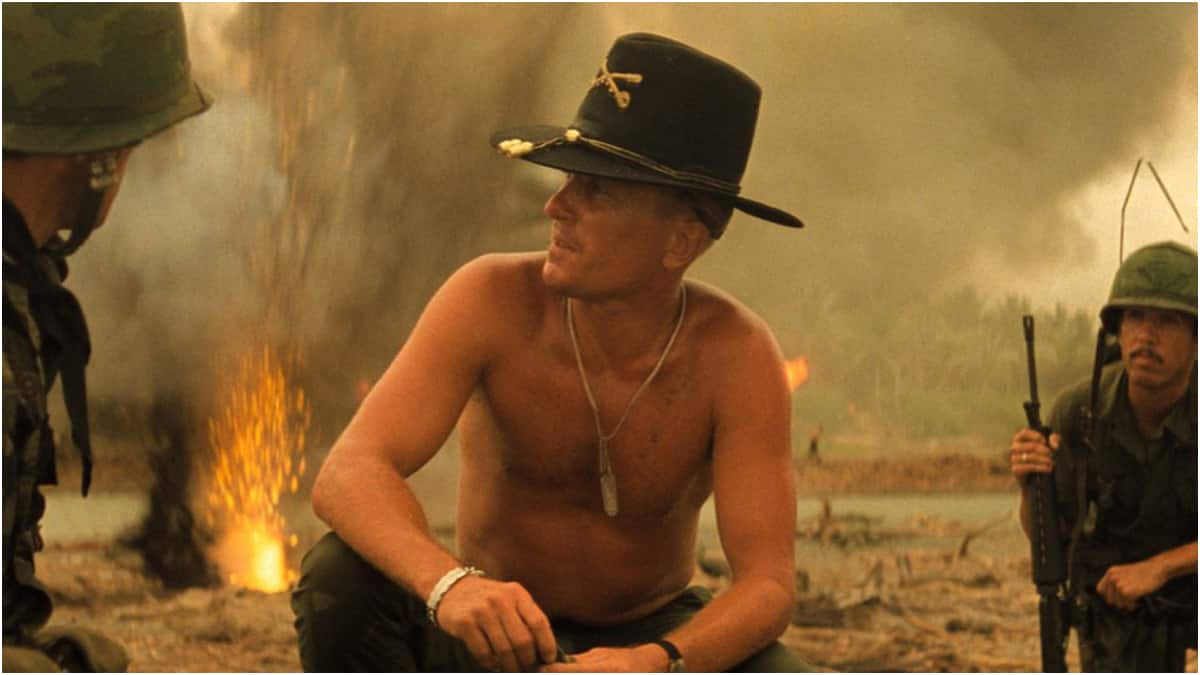
The scene itself is iconic: following a devastating helicopter assault on a Vietnamese village, Kilgore surveys the smoldering aftermath. He's not horrified; he's reflective, almost poetic, as he savors the scent of destruction. He calmly delivers the lines that would become immortal:
"Napalm, son. Nothing else in the world smells like that. I love the smell of napalm in the morning. You know, one time we had a hill bombed for twelve hours. When it was all over, I walked up. We didn’t find one of ‘em, not one stinking dink body. The smell, you know, the gasoline smell, the whole hill. Smelled like… victory."
This dialogue is a masterclass in conveying psychological trauma and moral decay through casual delivery. Duvall’s voice, calm and almost wistful, strips the horror from the act, replacing it with a perverse sense of accomplishment. The detailed description of the "gasoline smell" elevates a horrific weapon to an almost sensory pleasure, culminating in the chilling conclusion: "Smelled like… victory." This line encapsulates the dehumanization inherent in war, where the absence of enemy bodies, however achieved, is the ultimate metric of success. Kilgore's casual use of a racial slur ("dink body") further underscores his complete detachment from the humanity of his adversaries.
What makes Duvall's performance so potent here is the understated delivery. There's no maniacal laugh, no overt villainy. Instead, it’s a quiet, matter-of-fact observation from a man whose moral compass has been irrevocably skewed by prolonged exposure to extreme violence. His subsequent, almost melancholic whisper, "Some day this war’s gonna end," adds another layer of dark introspection, hinting at a quiet dread beneath the bluster.
Beyond the Flame: Why "Napalm in the Morning" Continues to Resonate
The cultural impact of Kilgore's napalm monologue extends far beyond the confines of Apocalypse Now. It has become a shorthand in pop culture, memes, and even academic discussions for a particular brand of dark irony and the glorification of chaos. This line is frequently invoked, often with a sarcastic edge, to comment on obsession, destruction, or self-indulgent pursuits that have harmful consequences. It represents the absurd logic that can take root when extreme circumstances normalize the horrific.
The dialogue embodies "battlefield arrogance" – the idea that overwhelming force, brutally applied, is the only answer, and its results are to be celebrated. This chilling perspective continues to find echoes in real-world conflicts, which is precisely why the quote remains so relevant. It forces us to confront the psychological toll of war, not just on the victims, but on those who wage it, transforming them into beings capable of finding beauty in devastation.
The line's power also lies in its subversion of traditional heroic narratives. Kilgore is not a hero in the conventional sense, but a disturbing caricature of military might. His fondness for napalm is not patriotic fervor but a deeply ingrained, almost fetishistic appreciation for destructive power. This is why Why Robert Duvall's Iconic Napalm Line Still Resonates is a topic that continues to spark debate and analysis, decades after the film's release.
The brilliance of Coppola's script and Duvall's delivery ensures that the line is not just shocking but deeply thought-provoking, prompting audiences to question the nature of war, sanity, and humanity itself. It's a dialogue that, despite its specific historical context, speaks to universal truths about the human capacity for both creation and destruction.
More Than Just Napalm: Other Enduring Robert Duvall Apocalypse Now Quotes and Their Legacy
While the "napalm" line is undoubtedly the most famous, Kilgore's character and the film as a whole are rich with other memorable Robert Duvall Apocalypse Now quotes that contribute to its lasting legacy. Kilgore’s distinctive worldview is further illuminated by lines like, "If I say its safe to surf, Captain, then it's safe to surf!" This quote, delivered with an unshakeable conviction as bombs explode nearby, perfectly captures his irrational confidence and bizarre priorities. It encapsulates his almost mythological belief in his own invincibility and his men's capability, even when faced with obvious danger.
Beyond Kilgore, Apocalypse Now is brimming with powerful dialogue that profoundly impacts audiences. Captain Willard's internal monologues, for instance, offer a stark contrast to Kilgore's external bravado. Lines like, "Charging a man with murder in this place was like handing out speeding tickets in the Indy 500," eloquently convey the moral chaos and ethical void of the war zone. Similarly, the chilling directive to "Terminate with extreme prejudice" has become a euphemism for assassination, demonstrating the film's influence on the broader lexicon.
These collective quotes, and particularly the indelible Robert Duvall Apocalypse Now quotes, do more than just propel the narrative; they delve into the psychology of war, the unraveling of sanity, and the dark underbelly of human nature. They force viewers to confront uncomfortable truths about conflict, leadership, and survival. The film's dialogue, meticulously crafted, ensures that its themes remain poignant and relevant, making it an enduring work of cinematic art. Understanding The Unforgettable Impact of Apocalypse Now's Napalm Quote requires appreciating the entire tapestry of the film's powerful script.
From a storytelling perspective, these lines exemplify how character dialogue can reveal profound psychological states and philosophical insights. For writers and filmmakers, it serves as a masterclass in crafting memorable, multi-layered dialogue that sticks with an audience long after the credits roll. For cultural critics, it highlights how certain phrases transcend their narrative origins to become universal symbols for discussing larger societal issues.
Conclusion
The "napalm monologue" delivered by Robert Duvall in Apocalypse Now remains a towering achievement in cinematic history, a single moment that encapsulates the dark soul of a war and the complex psychology of those caught within it. Through Duvall's masterful performance as Lt. Colonel Bill Kilgore, the line "I love the smell of napalm in the morning" became more than just dialogue; it became a cultural touchstone. It serves as a stark reminder of the unsettling allure of destruction, the profound irony of conflict, and the enduring power of a truly iconic performance to shape our understanding of the human condition amidst chaos. As long as the shadows of war loom, the resonance of these unforgettable Robert Duvall Apocalypse Now quotes will continue to provoke, challenge, and inspire conversation.